Taking Care of HR Business
A blog from the attorneys of Verrill

 Oftentimes clients ask, “When we think an employee is high, can we fire him?” My answer is consistently the same, “That depends.” It depends on a whole host of factors, what state do you live in, what industry do you work in, why do you think he’s high, but most importantly, what is your risk tolerance?
In at-will states (of which many are), an employer can terminate an employee for any reason as long as it is not in violation of a law. The problem is, the list of laws which protect employees continues to become longer and longer. Employee protections related to the use of controlled substances is no exception. We see the ADA, state marijuana laws, OSHA, state drug testing laws, and other fair employment practices laws consistently affecting the marijuana in the workplace analysis.
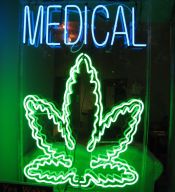
Moreover, the law is ever-changing. On Sunday, April 17, 2016, Pennsylvania Governor Tom Wolf signed legislation which will legalize the use of marijuana for medicinal purposes in Pennsylvania—”The Medical Marijuana Act.” The law will take effect on May 17, 2016. The law does affect the employer/employee relationship within the state and includes two relevant provisions. First, the Act includes a broad anti-discrimination provision which provides: “No employer may discharge, threaten, refuse to hire or otherwise discrimination or retaliate against an employee regarding an employee’s compensation, terms, conditions, location or privileges solely on the basis of such employee’s status as an individual who is certified to use medical marijuana.” This anti-discrimination “status” language is similar to that in a handful of other states, including Maine.
Second, the Act does provide that there is no affirmative duty to accommodate the use of marijuana at the workplace and permits the discipline of employees if he or she is “under the influence” at work. Specifically, the Act provides:
Nothing in this Act shall require an employer to make an accommodation of the use of medical marijuana on the property or premises of any place of employment. This Act shall in no way limit an employer’s ability to discipline an employee for being under the influence of medical marijuana in the workplace or for working while under the influence of medical marijuana when the employee’s conduct falls below the standard of care normally accepted for that position.
Nothing in this Act shall require an employer to commit an act that would put the employer or any person acting on its behalf in violation of federal law.
The statute does include limited employment exemptions which pertain to certain safety-sensitive jobs.
The problem, however, is what is “under the influence?” How can an employer determine whether an employee is “impaired” and is that the same as having a discernible amount of THC in their system? In some cases the answer may be yes, in others no. Cutting through the haze of marijuana in the workplace continues. There is no easy answer to the issues surrounding the state legalization of a substance that remains illegal under federal law. Verrill Dana’s Labor & Employment Practice Group has dealt with advising, litigating, and arbitrating issues surrounding this difficult conundrum throughout New England and would be happy to discuss our experiences with in-house and defense counsel.

Verrill Attorney Annabel Rodriguez Named Top Women of Law by Massachusetts Lawyers Weekly
BOSTON, Massachusetts – Verrill attorney Annabel Rodriguez has been recognized as a Top Women of Law by Massachusetts Lawyers Weekly, and will be...What Employee Benefits Lawyers Do (and How to Make the Best Use of Us)
What do employee benefits lawyers do all day and how can clients make the best use of them? This post offers an overview of the kinds of things...Bloomberg Law Quotes Robert Keach on Expanded Access to Small Business Reorganization
Verrill attorney Bob Keach was recently featured in Bloomberg Law, discussing legislation that would raise debt limits for bankruptcy relief and...Phil Bartlett to Step Down as Chair of the Maine Public Utilities Commission
On September 15, 2026, Governor Janet Mills announced that Phil Bartlett will step down as Chair of the Maine Public Utilities Commission (PUC)...Jay McCormack and Michael Fee Co-Author AHLA Article on Skin Substitute Enforcement Trends
Verrill Partners Jay McCormack and Michael Fee co-authored an article for the American Health Law Association's Fraud and Abuse Practice Group...Verrill Welcomes Health Care & Life Sciences Attorney Elpida Velmahos
BOSTON, Massachusetts – Verrill is pleased to announce that Elpida Velmahos has joined the firm’s Health Care & Life Sciences Group as an...A New Protected Class in Maine: Holders of Final Protection Orders
In the lead-up to Domestic Violence Awareness Month in October, employers may be taking a closer look at how their policies and practices respond to...Verrill Secures SJC Victory for Boston Legacy FC in White Stadium Litigation
Verrill has secured a significant appellate victory for Boston Legacy FC in the litigation challenging the redevelopment of White Stadium in...