You Might Be a Winner
A blog from the attorneys of Verrill

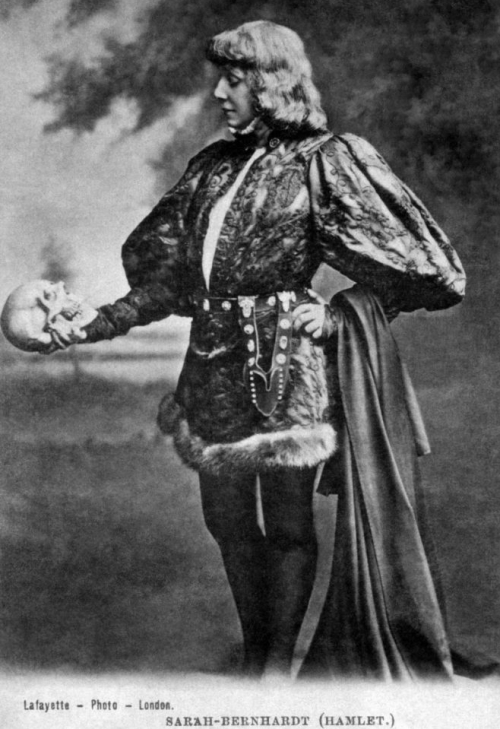 To use or not to use a popular marketing tool? That is the question. Shakespeare, himself, opted for a popular marketing tool when he cast the famous tragedian, Richard Burbage, for the part of Hamlet. This was probably a good idea, since according to Wikipedia, the play “has been performed many times since the beginning of the 17th century.”
Engage for Good recently posted “Statistics Every Cause Marketer Should Know.” The numbers confirm that cause marketing is big, popular, and works.
What studies also show is that cause marketing works when it is genuine and credible. There is a trust established between the consumer and the brand. An implicit (or explicit) promise from the brand that its intent is to “do good.” But the question for brands now more than ever is how to get the word out, and specifically, would a social media influencer’s influence influence the millennials who you want to influence?
“Nearly 40% of Twitter users say they’ve made a purchase as a direct result of a Tweet from an influencer.” 70% of YouTube subscribers trust influencers’ opinions over celebrities. And according to one study, on average, businesses generate $6.50 for every $1 spent on influencer marketing!
People often purchase on word of mouth. Influencers are essentially a paid “word of mouth” recommendation, albeit from someone you really don’t know and who may spend his/her life in front of a computer screen. But (surprisingly?) millennials love them. And listen to them.
There is no right or wrong answer here. But brands should be consider the following before engaging YouTube Larry to wax on about the virtues of your product and your cause.

Verrill Attorney Annabel Rodriguez Named Top Women of Law by Massachusetts Lawyers Weekly
BOSTON, Massachusetts – Verrill attorney Annabel Rodriguez has been recognized as a Top Women of Law by Massachusetts Lawyers Weekly, and will be...What Employee Benefits Lawyers Do (and How to Make the Best Use of Us)
What do employee benefits lawyers do all day and how can clients make the best use of them? This post offers an overview of the kinds of things...Bloomberg Law Quotes Robert Keach on Expanded Access to Small Business Reorganization
Verrill attorney Bob Keach was recently featured in Bloomberg Law, discussing legislation that would raise debt limits for bankruptcy relief and...Phil Bartlett to Step Down as Chair of the Maine Public Utilities Commission
On September 15, 2026, Governor Janet Mills announced that Phil Bartlett will step down as Chair of the Maine Public Utilities Commission (PUC)...Jay McCormack and Michael Fee Co-Author AHLA Article on Skin Substitute Enforcement Trends
Verrill Partners Jay McCormack and Michael Fee co-authored an article for the American Health Law Association's Fraud and Abuse Practice Group...Verrill Welcomes Health Care & Life Sciences Attorney Elpida Velmahos
BOSTON, Massachusetts – Verrill is pleased to announce that Elpida Velmahos has joined the firm’s Health Care & Life Sciences Group as an...A New Protected Class in Maine: Holders of Final Protection Orders
In the lead-up to Domestic Violence Awareness Month in October, employers may be taking a closer look at how their policies and practices respond to...Verrill Secures SJC Victory for Boston Legacy FC in White Stadium Litigation
Verrill has secured a significant appellate victory for Boston Legacy FC in the litigation challenging the redevelopment of White Stadium in...